
CRAID Concludes Advocacy Media Material and Training Manual Development Workshop in Oyo Town.
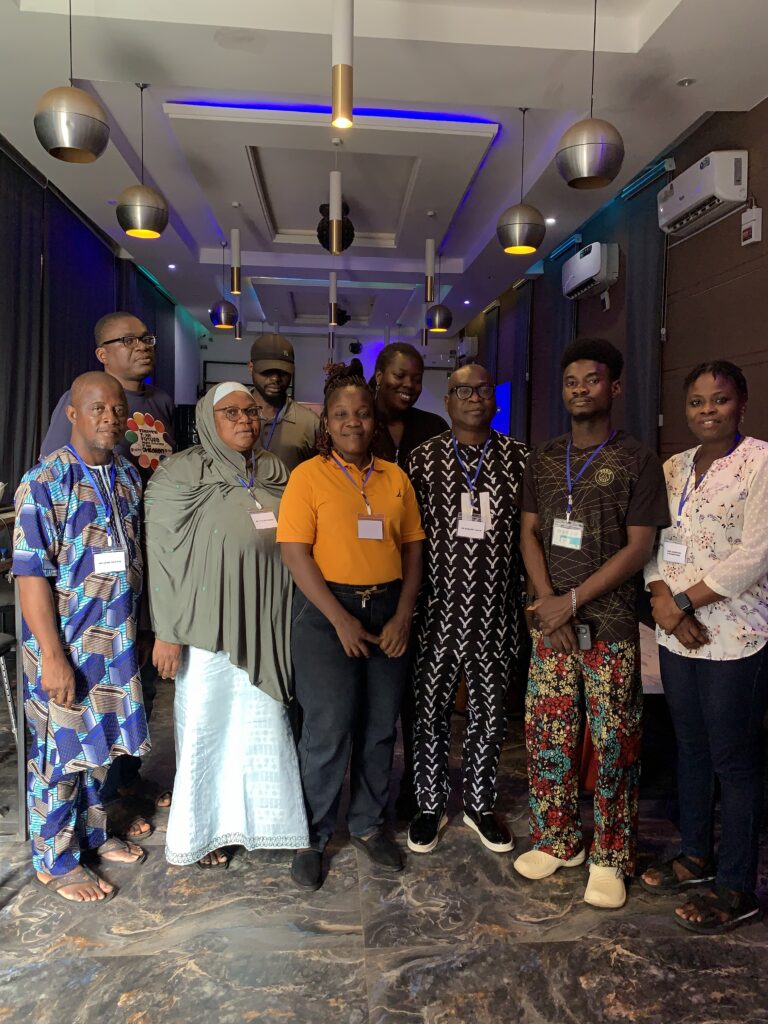
Creative Actors Initiative for Development (CRAID) recently concluded a five-day Advocacy Media Material and Training Manual Development Workshop in Oyo Town under the Social Mobilisation for Interactive Law Engagement (SMILE 2) Project.
The workshop brought together a team of nine participants, including the Project Director, CRAID staff members, graphic designers, a Yoruba translator, and Social and Behaviour Change Communication (SBCC) specialists. The workshop served as a platform for the collaborative development of advocacy media materials and training manuals designed to support community engagement and capacity-building activities among girls, women, religious leaders, and health workers across selected local government areas in Oyo State.
The initiative forms part of ongoing efforts to reduce morbidity and mortality associated with Sexual and Reproductive Health and Rights (SRHR) challenges, particularly those linked to unsafe abortion. Through a series of technical and participatory sessions, the team worked extensively to develop communication materials that are culturally sensitive, audience-specific, easy to understand, and capable of facilitating informed discussions within communities.
Throughout the workshop, participants developed a range of advocacy materials, including posters, flipcharts, notebooks, tote bags, T-shirts, and other communication tools. Training manuals tailored to the specific information needs of girls, women, religious leaders, and health workers were also produced to guide future training and advocacy activities. To enhance accessibility and community relevance, the materials were developed in both English and Yoruba languages.
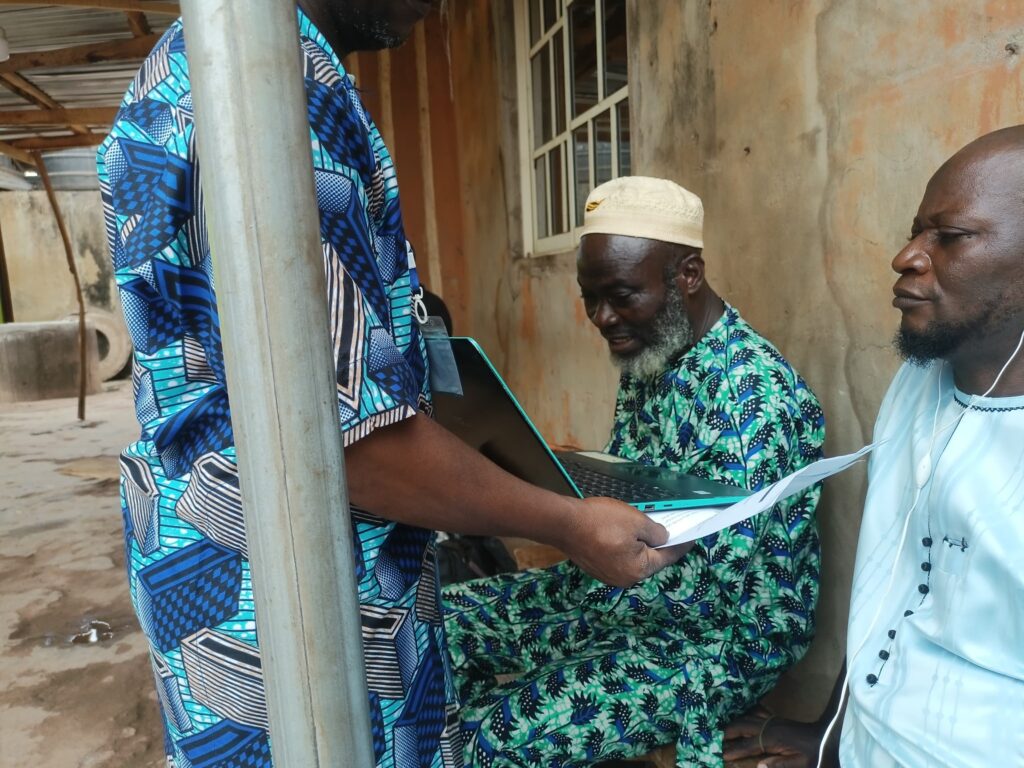
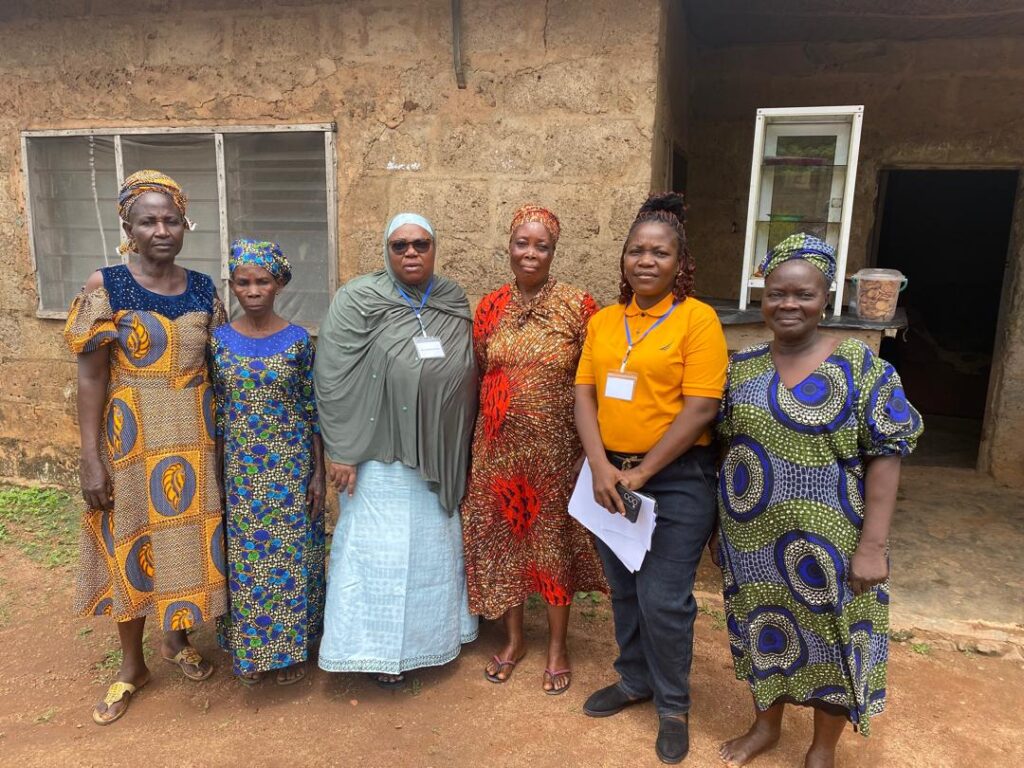
A key component of the workshop was the pilot testing exercise conducted in Afijio Local Government Area. The exercise provided an opportunity to engage directly with intended audiences and assess the effectiveness of the drafted advocacy materials. Participants tested the materials to evaluate language clarity, audience comprehension, acceptability, emotional response, and the extent to which the messages addressed stigma-related concerns within the community.
Following the field exercise, participants reconvened to present findings from the pilot study, review community feedback, and identify areas requiring improvement. These discussions informed revisions to the materials, ensuring that the final products reflected local realities, audience needs, and community perspectives.
The workshop reinforced the importance of community-informed communication and the localisation of advocacy messaging in promoting positive health outcomes. By incorporating feedback from intended audiences into the development process, CRAID aims to strengthen the effectiveness of its advocacy efforts and improve access to accurate information on SRHR-related issues.
As implementation of the SMILE 2 Project continues, CRAID remains committed to developing practical, evidence-informed, and people-centred communication tools that support informed decision-making, reduce stigma, and contribute to healthier communities across Oyo State.