Beyond the Emergency: Strengthening Healthcare Workers’ Capacity with the Oyo State Clinical Regulation on Post-Abortion Care for Safe and Dignified care in Oyo State
A two-day workshop brought healthcare workers and key stakeholders together to understand the Oyo state Clinical regulation on Post-Abortion Care policy document and the clinical, legal and ethical responsibilities involved in providing post-abortion care, with a focus on improving the quality, safety and dignity of care for women and girls.
A woman arrives at a health facility with severe bleeding following an unsafe abortion.
She needs urgent medical attention. But beyond the immediate emergency, other questions may arise. What should the health worker do first? Should treatment wait until the circumstances surrounding the abortion are established? How should the patient’s privacy be protected? What information must be documented, and what follow-up care will she need?
These were some of the practical questions explored during a two-day workshop on the Oyo State Clinical Regulation for Post-Abortion Care (PAC) in Oyo State. The document was developed by CRAID in collaboration with the Oyo State Ministry of Health with support from AmplifyChange. The workshop brought together healthcare workers from Ibadan, Oyo, Saki and Tede and key stakeholders which include the representatives of the Commissioner of Health of the Oyo State Ministry of Health and the Commissioner of Justice of the Oyo State Ministry of Justice, The representative of the executive Secretary of the Oyo State Primary Healthcare Board and the members of Association of Private Medical Practitioners of Nigeria and to strengthen understanding of safe clinical practice, legal responsibilities and patient-centred care.
To understand the policy document, the workshop engaged group discussions, case studies, practical demonstrations and interactive sessions as tools in order for participants to be able respond appropriately when women and girls need safe abortion and post-abortion care.
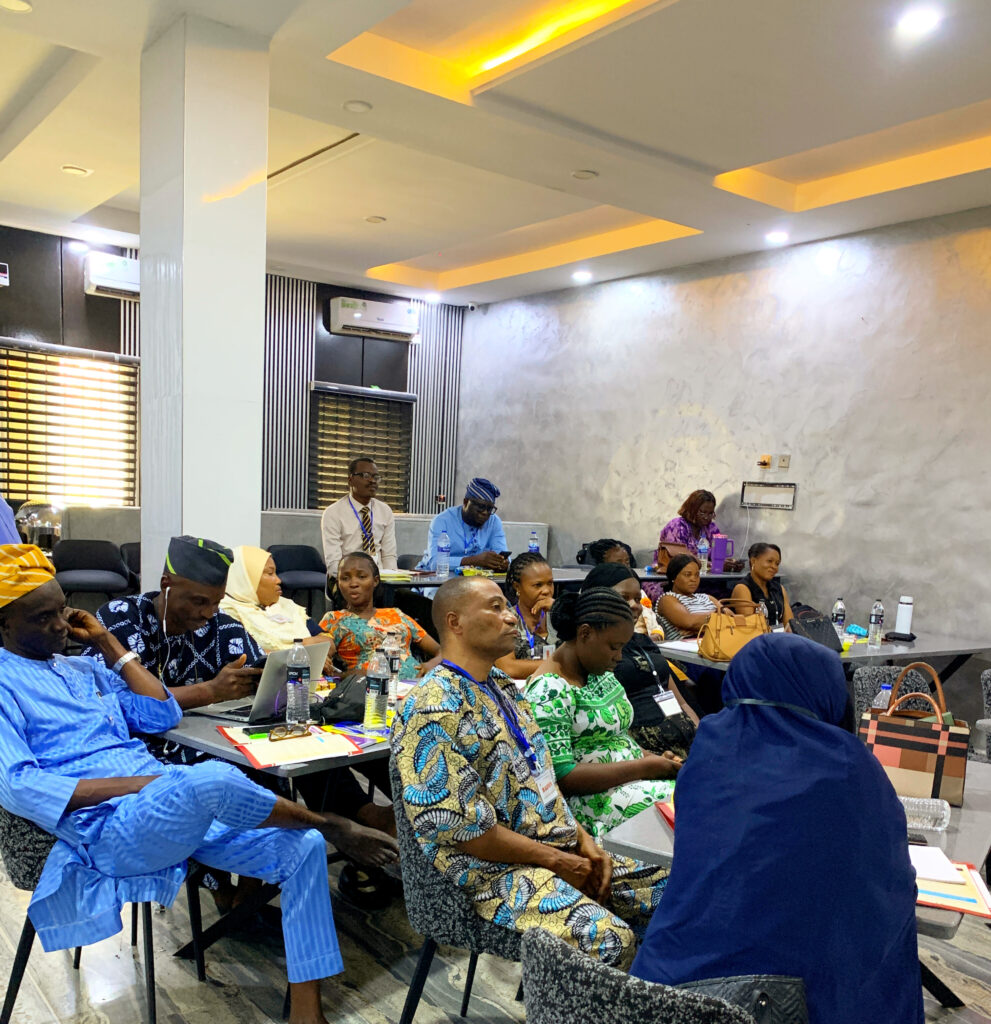
UNDERSTANDING THE REALITIES BEHIND UNSAFE ABORTION
The participants delved into the circumstances that can contribute to unintended pregnancy and unsafe abortion, as well as the consequences for individuals, families, communities and the wider health system.
Participants discussed how financial difficulties, young age, fear of disrupting education, stigma and psychological trauma can influence the circumstances surrounding an unintended pregnancy. The discussions also highlighted the dangers associated with unsafe methods, including the use of harmful drug combinations, unregulated substances, herbal preparations and the insertion of objects into the body.
The consequences can be severe. Unsafe abortion may result in heavy bleeding, infection, organ damage, chronic pain, infertility, complications in future pregnancies and, in some cases, death. The effects may also extend beyond physical health, contributing to emotional distress, social isolation, stigma and financial hardship.
These discussions reinforced an important point: addressing unsafe abortion requires more than responding to its medical consequences. It also requires a health system equipped to provide appropriate care, recognise complications early and treat patients with dignity.
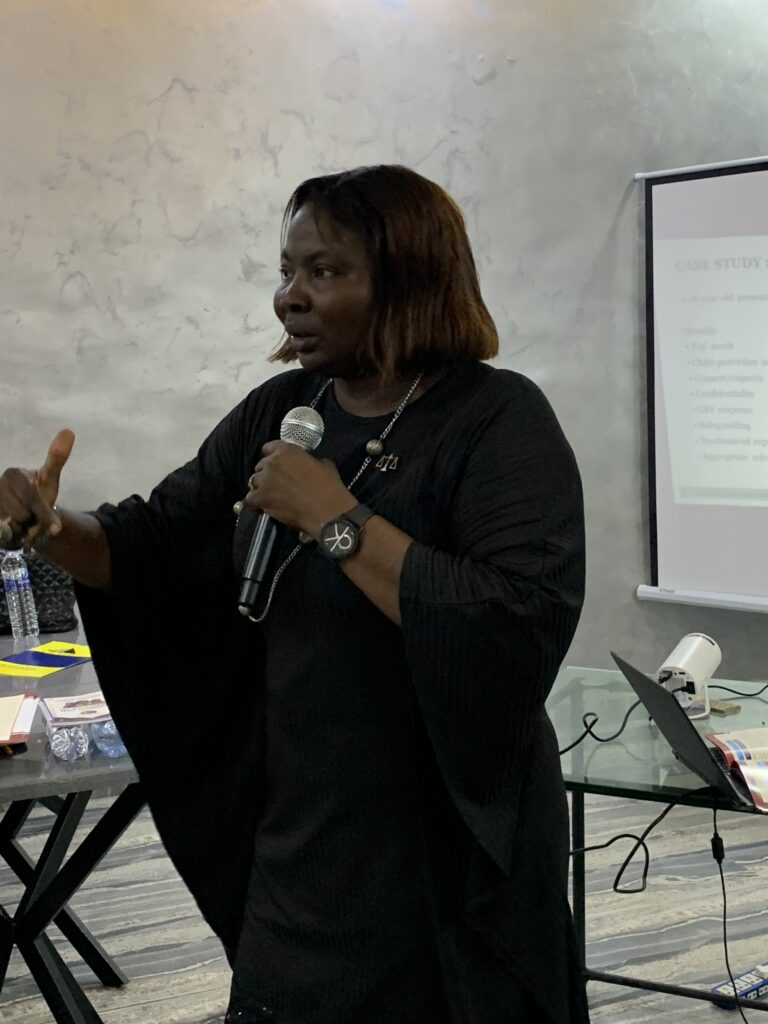
UNDERSTANDING THE LEGAL AND ETHICAL RESPONSIBILITIES OF CARE
One of the central lessons from the workshop emerged during discussions on the legal framework for post-abortion care.
To have the full knowledge of the legalities surrounding safe abortion and post-abortion care and its applications formed part of the crux of the workshop.
During the legal framework session, facilitated by Mrs Deborah Collins a legal practitioner from the Ministry of Justice explained as highlighted in the Oyo State Clinical Regulation on the importance of understanding the legal and professional requirements that guide clinical practice. Health workers need to know their responsibilities, work within their competence, document accurately and refer patients when appropriate services are unavailable.
The session made clear that providing quality care involves both clinical judgement and an understanding of the legal framework within which health workers operate.
MOVING FROM PRINCIPLES TO CLINICAL PRACTICE
Furthermore, the participants explored the steps on Safe Termination of Pregnancy (STOP) according to the regulation.
It also addressed counselling, informed consent, appropriate medical and surgical methods, infection prevention and pain management.
These discussions reinforced the need for health workers to be prepared not only to provide appropriate care, but also to recognise when a patient’s condition requires urgent intervention or a higher level of care.
A SHARED RESPONSIBILITY FOR BETTER CARE IN OYO STATE
The two-day workshop provided an opportunity for healthcare workers and stakeholders to examine the challenges surrounding safe abortion and post-abortion care, strengthen their understanding of clinical and legal responsibilities, and reflect on how appropriate standards can be applied in practice. It also reinforced the importance of collaboration. Clinical guidelines and regulations can provide direction, but their value depends on how they are understood and implemented by health workers and supported by the wider health system.
For Oyo State, strengthening post-abortion care requires continued attention to health workers’ capacity, access to appropriate supplies, accurate documentation, confidentiality, timely referrals and connections between health facilities and communities.
The workshop was an important opportunity to build shared understanding around these responsibilities. Sustained implementation, ongoing learning and support for health workers will be essential to translating the lessons into everyday practice.
Ultimately, the goal is clear: to strengthen a system in which women and girls who need post-abortion care can receive appropriate, timely and respectful services, and in which health workers are equipped to provide that care within the relevant clinical, ethical and legal frameworks.
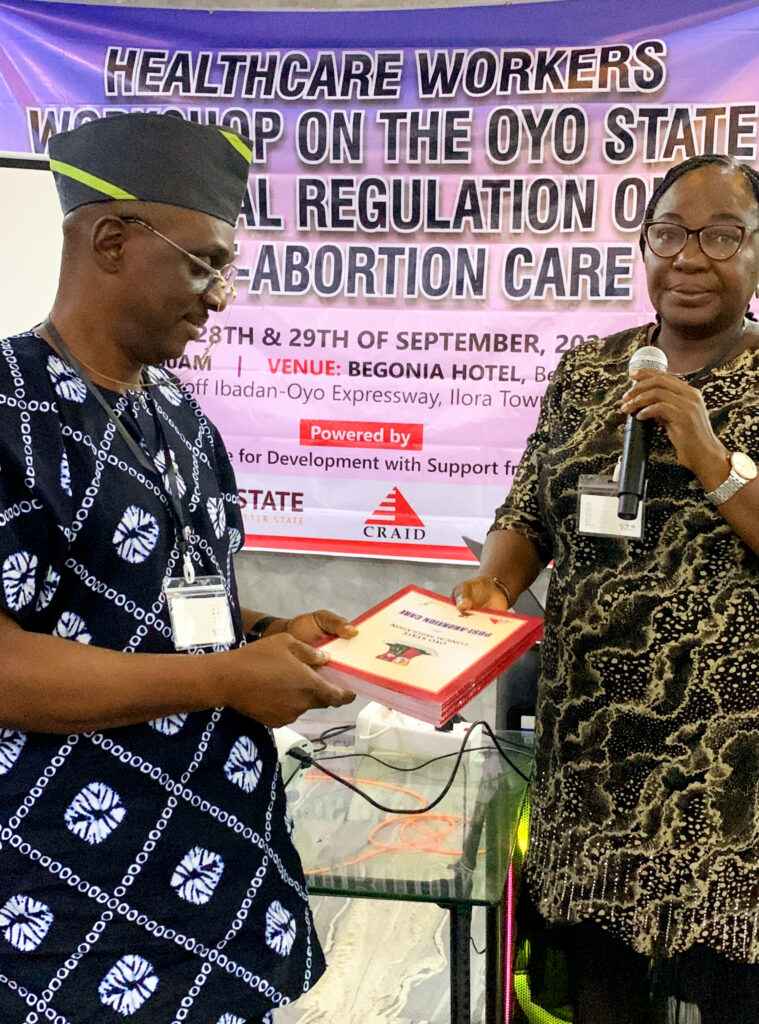
CRAID with support from AmplifyChange distributed a hundred (100) copies of the Oyo State Clinical Regulations to participants for further dissemination in their respective facilities.
Because better care begins with knowledge, but its impact is felt in how that knowledge is put into practice.